Commemorating a Legacy: How to Design a Memorial Which Represents Uniqueness
As soon as someone dear departs, the task of organizing a celebration of life can feel daunting. Yet, it is also an chance to celebrate their legacy and construct a significant farewell. Designing a funeral that embodies the individuality of the deceased who has departed can help remember their legacy and offer comfort to those who are suffering. This article serves as a complete guide to dealing with the complexities of funeral planning, providing you with crucial information and insights to help you create a tailored tribute.
Starting with understanding the essentials of funeral options to reviewing important cultural traditions, we will discuss the key components of organizing a funeral that is both honorable and indicative of your loved one's essence. You will learn on how to communicate effectively with your family about choices and plans, as well as useful tips on cost management and scheduling. Regardless of whether you are planning in advance or reacting to an unexpected loss, our guide intends to empower families to make decisions that truly honor a life well-lived.
Vital Processes in Funeral Planning
The primary step in arranging a funeral entails recognizing the urgent requirements after a dear one's death. It is important to notify close friends while considering what to do afterward. Assembling essential papers such as the certificate of death, will, and insurance policies is vital, as it helps in making knowledgeable decisions moving forward. This preliminary phase can feel overwhelming, but having a concise list of tasks can streamline the transition.
Once the immediate requirements are addressed, families should start reflecting about the logistics of the funeral. This includes deciding between burial or cremation, choosing a funeral home, and determining any unique wishes the departed may have had. It is additionally helpful to create a financial plan, as costs can vary significantly depending on options made. By outlining priorities and preferences, families can create a meaningful service that celebrates their deceased loved one's requests.
Lastly, personalization plays a integral component in memorial arrangement. Families should reflect on how to honor the distinct life of their dear one. This could entail adding memorable stories, favorite songs, or personalized decor that reflect with their spirit. By prioritizing personalization, families can create a memorial that not only pays homage to the deceased but also offers peace to those who are in sorrow.
Personalizing the Memorial Experience
Creating a personalized funeral ceremony is an important part of celebrating a beloved's life. Loved ones can showcase the individuality of the individual by including personal elements that resonate with their essence, hobbies, and principles. This may consist of music that they loved, pictures that showcase important memories, or even embellishments that represents their passions. Each decision becomes a homage that conveys their individual journey and allows guests to connect with the memories shared.
In furthermore to physical elements, the service's tone and structure can be modified to reflect the deceased's spirit. For case in point, a life tribute can feature anecdotes where friends share their most cherished memories. This not just provides a feeling of joy and nostalgia but also encourages a nurturing environment for those grieving. Attendees often find solace in humor and valued moments, allowing the service to balance mourning with celebration.
Furthermore, consider including cultural customs that were meaningful to the deceased or their kin. This can deepen the emotional resonance of the service and make certain that it feels true. By blending together personal touches and purposeful ceremonies, the funeral becomes a heartfelt representation of a life lived, providing comfort and connection for those who come together to remember the memory of their beloved.
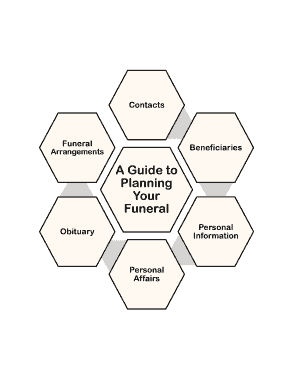
Navigating Affective states and Practicalities
Arranging a funeral involves navigating a intricate combination of emotions and logistical considerations. It is an personal process that can evoke sorrow, remembrance, and even comfort as families reflect on their deceased's life and legacy. Validating these emotions is important when tackling funeral planning. It’s important to provide yourself and your family members the freedom to express their feelings, whether that be sadness, upset, or celebration. Voicing these emotions can help everyone feel more bonded during this difficult time.
On the practical aspect, having a clear plan can alleviate some of the stress associated with planning a memorial service. Using a checklist can help ensure that all essential steps are covered, from choosing a place to selecting interment or ashes scattering. Knowing the expenses involved is also crucial so that families can make wise decisions without surprising financial burdens. This equilibrium between preparing emotionally and practical organization creates a setting where families can celebrate their beloved's memory with significance.
In the end, as families navigate the details of arranging a funeral, it is important to keep in mind what truly matters: commemorating a soul. Personalizing the service to showcase the character of the departed can help create a comforting and meaningful experience for everyone involved. By merging Great site with logistical actions, families can create a tribute that resonates profoundly and fosters comfort among those who gather to part ways.