Enhance The Fight: The Science of Oncological Ingredients
Within the constantly changing realm of cancer treatment and prophylaxis, the importance of supplements that fight cancer has received notable attention. As individuals seek complementary strategies to support their well-being, there is a rising curiosity in determining which supplements can genuinely make a difference and which products might fall short. Navigating through the sea of information can be challenging, as new studies emerges and conflicting opinions populate the wellness space. This article aims to illuminate the science behind anti-cancer ingredients and clarify the scientific backing surrounding the use of these products.
For those facing cancer or aiding a loved one through treatment, it is essential to investigate how certain supplements can possibly enhance health and life quality. From immune-boosting properties to anti-inflammation effects, the variety of options can be daunting. This guide will also examine the natural compounds being researched but also emphasize the importance of data-driven choices and the necessity for open conversations with medical professionals. With an emphasis on integrating diet, lifestyle, and supplementation, we hope to empower readers with the knowledge they need to take informed decisions about their wellness path.
Comprehending Cancer-Related Dietary Aids
Anti-cancer supplements have arisen as a significant area of concern for those affected by cancer and scientists alike. Many patients facing oncological conditions often seek options or complements to conventional care methods. These products can vary from nutrients and minerals to herbal extracts and holistic ingredients. However, grasping their role and efficacy in oncological treatment requires a thorough analysis of the existing studies.
Studies have indicated that particular nutraceuticals may possess characteristics that could support cellular health, improve the immune system, or alleviate adverse effects related to cancer care. For example, oxidative stress reducers are one category of nutraceuticals that have been examined for their ability to shield cellular components from cellular oxidation. However, the efficacy of these supplements can vary widely, and not all items marketed as cancer-fighting are supported by robust data. This emphasizes the necessity for individuals to approach supplements with care and to be well-informed.
It is crucial for those affected by cancer to involve themselves in discussions with their healthcare providers about the use of oncology-related products. Oncologists often emphasize that while a few aids may offer benefits, certain aids could compromise with standard cancer treatments or result in harmful effects. Therefore, it is critical for those affected by cancer to obtain advice from healthcare professionals when considering the integration of supplements into their oncological approach.
The Science Regarding Popular Compounds
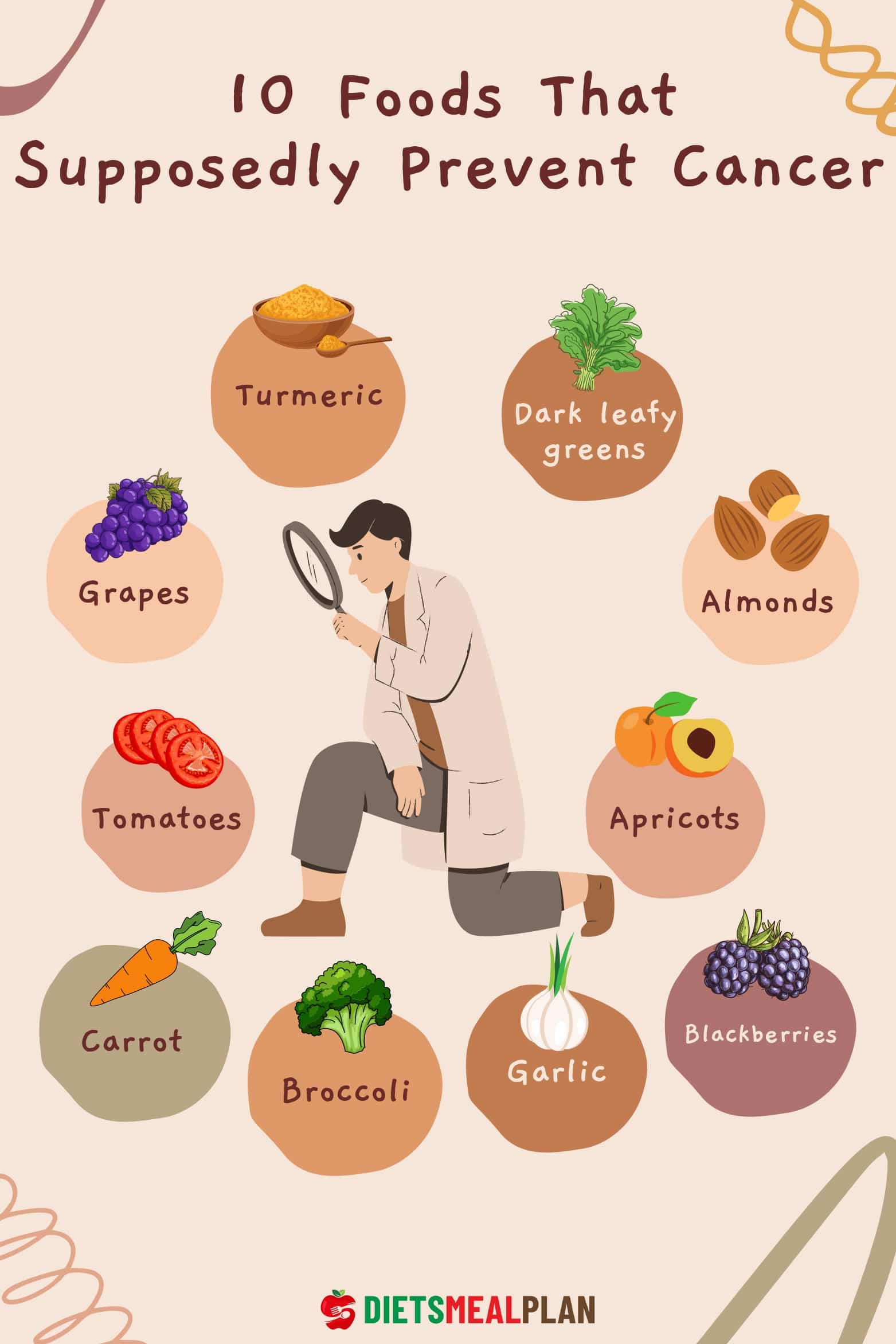
Several natural substances have gained the attention of researchers due to their potential anti-cancer properties. One compound, curcumin, found in turmeric, is a notable example. Research suggest that curcumin may inhibit the growth of cancer cells and encourage their apoptosis, or programmed cell death, and also exhibiting strong anti-inflammatory and antioxidant properties. This compound has been the subject of many clinical trials, highlighting its capability to support the body’s natural defenses, making it a widespread choice in the realm of anti-cancer supplements.
Another ingredient often discussed is resveratrol, a polyphenol found in grapes and red wine. Check over here has garnered interest for its potential to improve cellular communication and prevent the spread of cancer. Research indicates that it may have a role in reducing inflammation and blocking the expansion of tumors, thereby supporting overall wellness during cancer treatment. Nonetheless, much remains to be explored regarding its bioavailability and efficacy in clinical settings, highlighting the significance of evidence-based approaches.
Green tea extract, particularly its catechin known as epigallocatechin gallate, is yet another ingredient under investigation. EGCG has shown potential in laboratory studies for its capability to suppress tumor growth and stop the spread of cancer cells. Its antioxidant properties help defend against damage from free radicals, emphasizing the potential role of nutrition and supplements in cancer prevention. As with any supplement, consulting the use of green tea extract with healthcare providers is crucial to guarantee safety and efficacy in an individual’s treatment plan.
Navigating Supplement Use During Treatment
When considering the incorporation of nutritional aids into a cancer treatment regimen, it is crucial to consult a medical professional in the decision process. Cancer specialists and dietitians can help evaluate which nutrition aids may be beneficial based on the patient's medical condition, therapeutic regimen, and general objectives. Some supplements may conflict with traditional cancer treatment methods or be not recommended during certain treatments. Having an open dialogue ensures that individuals make informed choices that enhance their medical care.
Individuals should focus on evidence-based nutrients with demonstrated benefits and safety profiles. For instance, certain vitamins and minerals are known to boost cellular wellness and may improve the body's ability to cope with the rigors of treatment. Immune-supporting supplements, such as beneficial bacteria and particular herbal remedies, are being researched for their potential to bolster the immune system during active care. Grasping the research behind these supplements helps in making choices that are both informed and safe.
Finally, maintaining a comprehensive approach that integrates lifestyle factors—such as diet, exercise, and psychological health—together with the strategic use of nutritional aids can encourage overall wellness. This comprehensive plan should remain adaptable, adjusting to the patient's requirements as therapy progresses. Being educated about ongoing research can also empower individuals to review their nutritional use periodically, ensuring they are supported optimally throughout their cancer journey.