Land surveyors at Work: The Scenes Behind Major Initiatives
Surveying professionals play a crucial role in multiple projects, often operating behind the curtains to ensure that everything runs efficiently and according to plan. From establishing property boundaries to supporting large-scale construction efforts, the knowledge of a surveyor is vital to prevent issues that can lead to costly contests or mistakes. As property owners start new ventures, grasping the value of surveying can make a major difference in the outcome of their projects.
In this article, we will investigate the multifaceted world of surveyors and their vital contributions to property development, construction, and real estate exchanges. Whether you are acquiring land, planning a home extension, or engaging in a commercial project, understanding what to expect during a property survey and the importance of engaging a professional professional can help protect your interests. Join us as we investigate the multiple types of surveys, current technology altering the industry, and the essential questions you should consider before employing a surveyor.
Understanding the Function of Land Surveyors
Land surveyors play a crucial role in the property development process, acting as the link between land and the different stakeholders engaged in real estate projects. They are accountable for assessing and mapping land, which supplies essential data that influences decisions for property owners, developers, and construction teams. With their skills, land surveyors help to guarantee that land is accurately defined, boundaries are respected, and that legal compliance is upheld throughout the entire development process.
The significance of a surveyor's work cannot be overstated. Before buying property, potential buyers should consistently seek a land survey to uncover any issues related to property lines, easements, or zoning restrictions. This avoidance of future disputes is priceless, as boundary surveys can help prevent expensive legal battles between adjacent property owners. Furthermore, comprehending the conditions of the land allows buyers to decide wisely and plan accordingly for future improvements or modifications.
Contemporary land surveying has evolved significantly, incorporating sophisticated technologies such as GPS and drones that improve precision and efficiency. Surveyors now leverage these tools to provide detailed measurements and high-resolution imaging of landscapes. This adoption of technology not only speeds up the surveying workflow but also enhances the quality of data collected, which is essential for successful construction and planning. As the surveying industry continues to evolve to new trends, the role of land surveyors remains indispensable in navigating the complexities of land use and property development.
Importance of Land Assessment for Real Estate Holders
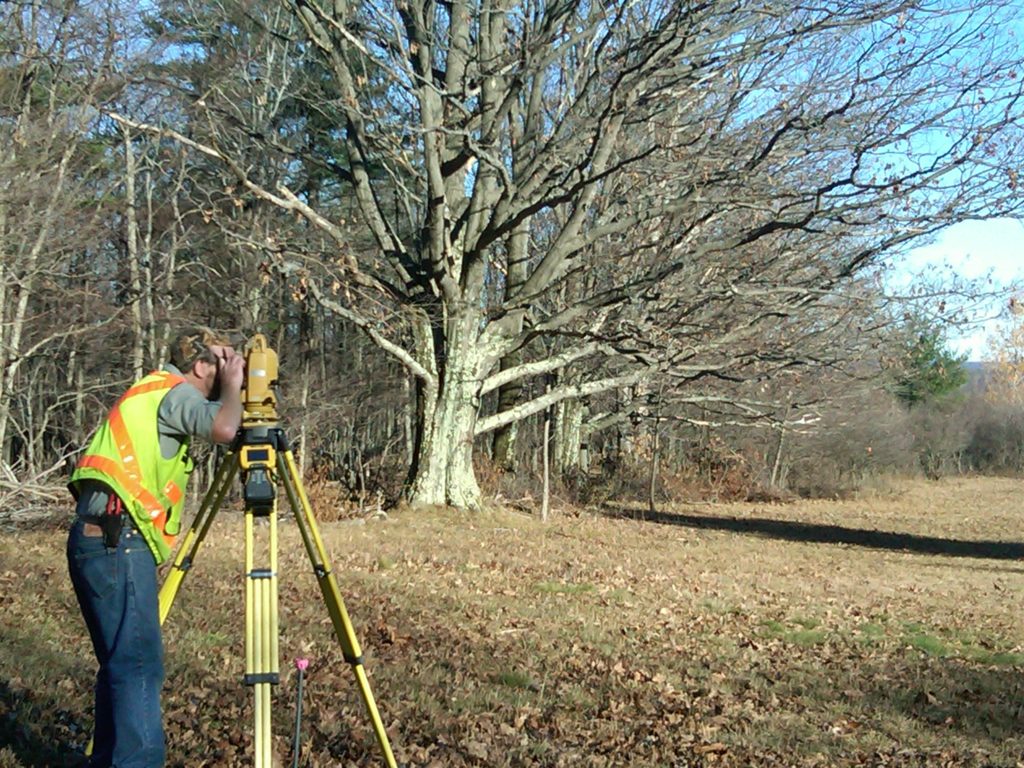
Property surveys are vital for real estate holders because they offer a definitive understanding of parcel lines. Being level 2 survey of the accurate size and borders of a land can avoid expensive disputes with neighbors. A professional land surveyor uses accurate calculations and techniques to establish these lines, guaranteeing that real estate holders can confidently use and develop their land without the fear of encroaching on a neighbor’s property.
Moreover, property assessments play a critical role during the buying process. Investors need to confirm that the property they are acquiring is as represented and that there are not any unexpected complications with the property lines. This is particularly important in avoiding court disputes that could arise from property line arguments. Maintaining an accurate assessment confirms that interested buyers are thoroughly aware of what they are acquiring, safeguarding their assets and ensuring preserving calm.
In conclusion, surveys contribute to development initiatives by providing the necessary details for permitting and adherence with state guidelines. Whether conceiving a new build, remodeling, or landscape changes, landowners must adhere to local laws and standards. A comprehensive survey outlines any requirements or factors associated with the parcel, aiding real estate holders in making smart decisions and staving off potential problems with government authorities.
Tech and Developments in Modern Surveying
The advancement of technology has significantly changed the landscape of surveying, making it more efficient and accurate than ever previously. Conventional techniques of surveying, while effective, have been enhanced through advancements such as GPS and unmanned aerial vehicles. These advancements allow land surveyors to collect data quickly and with a level of accuracy that was previously unattainable. rics level 2 survey can scan large areas in a small of the time it would take manual survey teams, providing detailed images and data that can be examined for different uses.
Another emerging trend in the field is the use of three-dimensional laser scanning, which has revolutionized how land surveyors capture and display data. This technology allows for the development of intricate 3D models of buildings and terrains, offering valuable information for construction and real estate projects. These 3D representations not only improve precision in measurement but also enhance visual communication for clients, making it easier for property owners and investors to understand intricate data from surveys. As 3D scanning becomes more accessible, its adoption is expected to increase, further integrating it into surveying practices.
The combination of software is another key development influencing contemporary land surveying. Dedicated software for surveying now enables professionals to visualize data, perform difficult math and create comprehensive reports with ease. This streamlining of workflows reduces the chances of common surveying mistakes and improves teamwork among teams working on projects. As the industry continues to adopt technology, the outlook of land surveying looks promising, with continued advancements paving the way for improved practices and enhanced efficiency.