Let There Be Illumination: Support for Entitlement to Illumination Understanding
This ambient light that flows within the homes and offices holds a key part in our everyday lives. It affects not only our emotions and productivity but also the satisfaction of our environments. As city settings continue to develop and structures grow taller, the idea of the Right to Light has come forth as a crucial consideration for property owners, developers, and neighbors. Grasping this legislative right is essential for everyone involved in real estate construction or ownership, as it can significantly impact both current residential situations and future building projects.
In this comprehensive resource, we will examine the detailed world of Light Rights laws, the significance of natural illumination for property owners, and the multiple factors that can determine your rights to ambient illumination. From the nuances of Light Rights assessments to how these laws play in planning approvals, we will deliver insightful information and actionable advice for dealing with the challenges of Right to Light. If you are a homeowner, a developer, or merely someone curious in the impact of construction projects on daylight illumination, this piece strives to illuminate the path towards understanding and supporting your Light Rights.
Comprehending The Right to Light
The Right to Light is a legal right enjoyed by real estate owners, allowing them to access daylight through defined openings, such as fenestrations. This right is protected under case law and can be crucial for maintaining the marketability and livability of a property. The value of Right to Light stems from the notable influence that natural light can have on a property's environment and sustainability. Landowners must be mindful of this right as it applies not only to their own properties but also to the potential implications for neighboring developments.
In many regions, including the United Kingdom, the Right to Light entitlement is defined when a property has enjoyed adequate natural light for a certain duration, typically two decades. This legal structure aims to harmonize the interests of builders with those of present property holders. When designing a building project, builders must assess how their construction may impact the natural illumination by adjacent buildings, as encroachments on existing rights can lead to conflicts, litigation, or even injunctive actions.
It is important for property owners alike to grasp that the Right to Light assessments can affect zoning permissions and construction outcomes. Prompt discussions with experts, such as building planners and land surveyors, can help in navigating these challenges. This understanding can prevent costly delays and reduce the risk of conflicts arising from misunderstandings about light rights.
Light Rights Surveys and Evaluations
Right to Light assessments play a essential role in comprehending and safeguarding a landowner’s entitlement to natural light. These assessments review the influence of new constructions on existing light availability for neighbouring properties. By performing a thorough evaluation of illumination levels, experts can spot potential infringements and assess whether a construction plan is likely to disturb with the entitlements of neighbouring properties. This procedure helps landowners make informed decisions and mitigate the risk of conflicts arising from loss of light due to nearby construction.
In the UK, Light Rights evaluations are guided by specific regulatory criteria, which include both quantitative and descriptive measures. Surveyors use various techniques, including the 45-degree rule, to determine if a proposed development will substantially affect light access for neighbouring properties. These evaluations also consider the layout of buildings, window sizes, and the overall design of the proposed development, ultimately providing a concise picture of how light levels might transform as a result of construction efforts. By grasping these metrics, property owners can ensure their projects comply with regulations while honoring the rights of their neighbours.
Proactively requesting a Right to Light assessment before starting a construction undertaking can save time, money, and potential judicial issues. Having a detailed understanding of the light implications allows builders to modify their strategies to reduce disruptions and avoid future disputes with adjacent property owners. Additionally, these assessments can bolster applications for planning permission, demonstrating that developers have considered the effects on natural light and attempted to address any potential concerns early in the development stage. https://www.rightoflightsurveyors.uk/best-right-to-light-surveys-london/ is invaluable in fostering good connections within the community and ensuring projects proceed without issues.
Handling Light Rights Disputes
Light rights conflicts can happen when a recent development interferes with the natural light previously enjoyed by neighboring houses. To effectively manage these issues, it is important for property holders to understand their rights and the principles governing right to light. The legal framework in the UK allows property owners to declare a right to light if their property has had sufficient light over the years. Engaging in open discussions with neighbors from the beginning can often resolve issues before they grow worse.
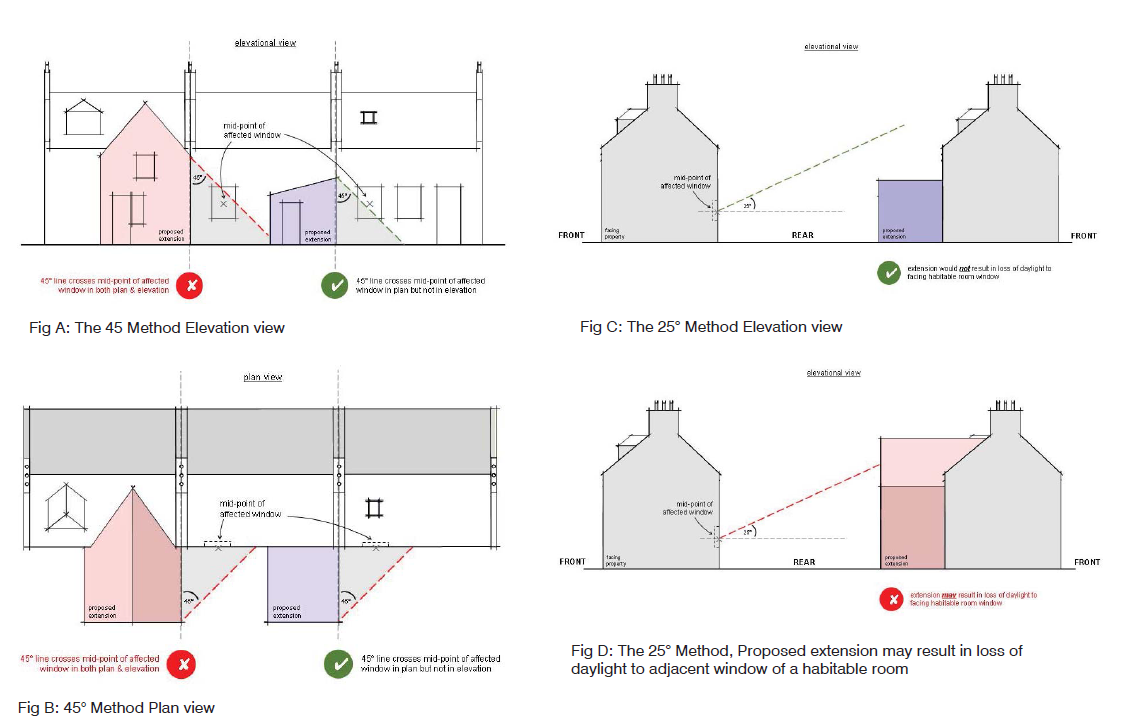
When faced with a potential dispute, seeking professional advice is crucial. Right to light assessments play a critical role in assessing the impact of upcoming developments on light levels. A specialist surveyor can give detailed measurements and forecasts, helping to identify whether the recent building infringes upon established rights. This technical knowledge can empower property owners to advocate effectively for their interests, whether through negotiation or litigation.
If resolution efforts do not succeed, alternative dispute resolution or court action may be needed. Property owners should collect all related evidence to support their assertions, including previous light assessments and expert opinions. It is also recommended to remain open to potential compromises that could lessen loss of light without halting development. By understanding the complexities of right to light laws and engaging the suitable professionals, property holders can handle disputes more effectively.