Out of Terrain to Legacy: A Path of a Geomatics Professional
Within the realm of real estate, building, and property development, land surveyors play a key role that frequently goes unnoticed. Such skilled experts are the unsung heroes who ensure that land is correctly measured and mapped, laying the groundwork for everything from residential homes to expansive commercial establishments. Their work is vital in preventing property disputes, ensuring legal compliance, and supporting major infrastructure projects. As technology keeps to evolve, the techniques and tools employed by surveyors are also changing, making their contributions more precise and effective than ever before.
For landowners, grasping what a surveyor does and why their expertise is crucial can save hours, money, and stress down the road. Whether Click here about purchasing a plot of land, planning to build a home extension, or simply looking to resolve a boundary dispute, knowing when and how to hire a surveyor can make all the distinction. In this article, we will examine the different aspects of surveying, from the various kinds of land surveys and their uses to the advancements in technology shaping the future of the industry. Prepare to embark on a journey from land to legacy, discovering how surveyors shape our world and protect our investments.
Comprehending Land Surveys
Surveys of land represent essential assessments that establish the perimeters and features of a particular property. They deliver vital data regarding the size, contour, and height of the land, helping property owners comprehend that which they are buying or overseeing. A survey outlines any pre-existing structures, land use rights, and other pertinent land features, ensuring that buyers and developers have a comprehensive view of the land's capabilities and constraints.
One important reason for obtaining a land survey is to stop disputes over property boundaries. An precise survey can explain where one property concludes and another begins, avoiding potential conflicts with neighbors. This clarity is notably important in tightly populated areas where property lines may not be easily identifiable. Additionally, a detailed survey can identify encroachments, allowing property owners to address any issues proactively and preserve good relations with neighboring landowners.
In the current rapidly evolving landscape, comprehending land surveys has become increasingly important for various stakeholders. Property developers, real estate professionals, and buyers all depend on the expertise of surveyors to navigate the challenges of land gaining and development. With advancements in technology, such as GPS and drone surveying, the accuracy and productivity of these assessments have increased, providing stakeholders with dependable data and allowing knowledgeable decision-making in property transactions and construction projects.
The Importance of Hiring a Surveyor
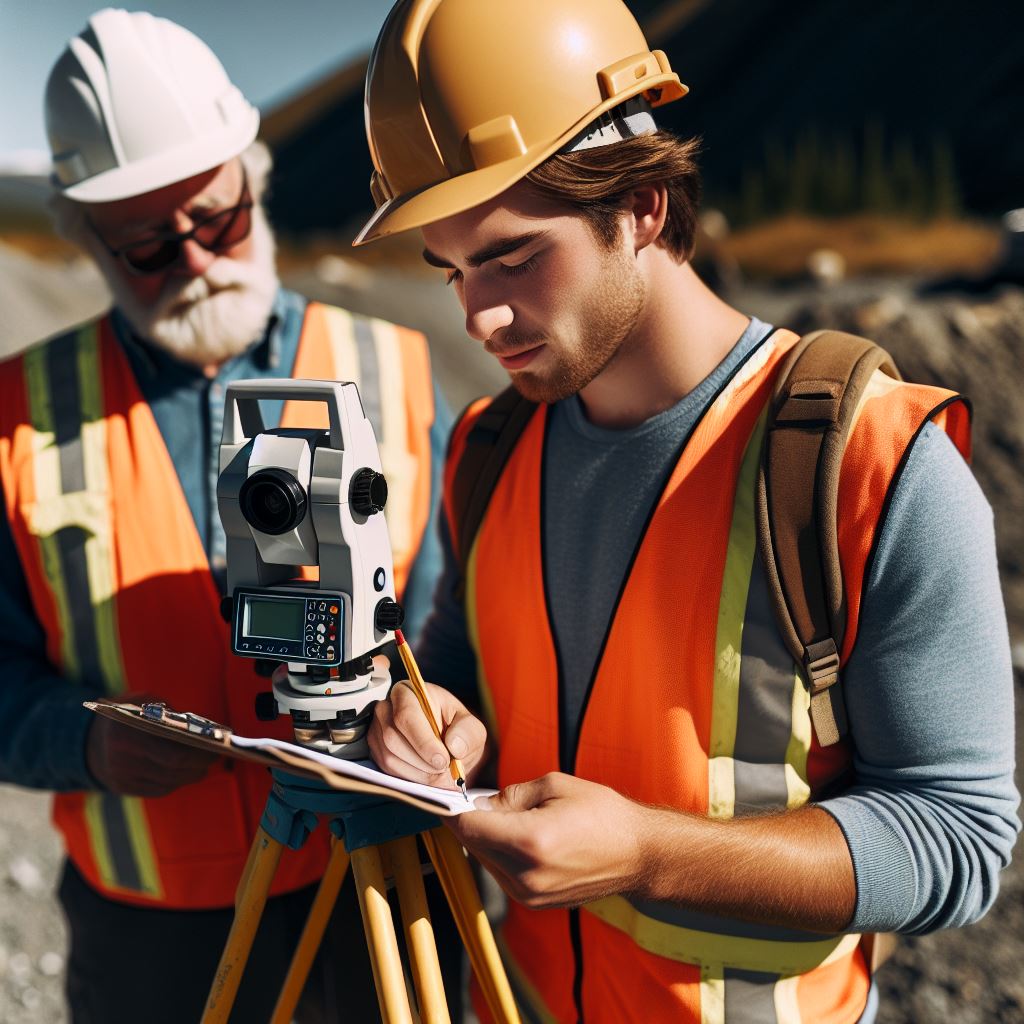
Hiring a qualified surveyor is crucial for anyone considering the development of property. A surveyor brings knowledge that ensures boundaries are accurately marked, which helps to avoid disputes with neighbors and possible legal issues. Comprehending land boundaries is key in making informed decisions about property investments and developments, which can preserve significant time and money in the long run.
Moreover, a surveyor plays a critical role in the adherence of construction projects with municipal regulations. They make sure that the land is appropriate for development and that any plans follow zoning laws and building codes. This compliance is vital not only for the approval of construction permits but also for the safety and legality of the project. Without the assistance of a professional surveyor, property owners may find themselves fees or having to redo work that does not meet regulatory standards.
Moreover, modern surveying techniques, including GPS and drone technology, boost the accuracy and efficiency of surveys, providing valuable insights that were less accessible in the past. By hiring a qualified surveyor, property owners gain access to advanced tools and methods that offer reliable and precise results. This investment in expert surveying can ultimately lead to superior project outcomes, making it a prudent decision for anyone working on land.
Evolving Innovations in Surveying
The surveying industry is experiencing notable progress driven by technological advancements and cutting-edge practices. One key trend is the increased use of GIS, which allows land surveyors to collect, analyze, and show geospatial information more effectively. This technology enhances the precision of maps and provides important insights for land use planning, environmental assessments, and infrastructure development. As surveyors adopt GIS tools into their workflows, they can offer more detailed analyses and representations to clients, facilitating the decision-making.
Another significant trend is the adoption of unmanned aerial vehicles in land surveying. Drone technology allows surveyors to collect high-resolution aerial imagery and create comprehensive topographical maps with reduced time and effort compared to traditional methods. Drones are particularly advantageous for surveying large or hard-to-reach areas, facilitating effective data collection and immediate monitoring of construction sites. As rules evolve to accommodate drone usage in surveying, this method is likely to become a standard practice, further enhancing precision and effectiveness.
Lastly, the expansion of three-dimensional laser scanning is changing how surveyors gather and examine data. This technology provides exact measurements and can create comprehensive 3D models of existing conditions. The capability to visualize intricate structures in a 3D space allows better design and collaboration among participants in the construction industry and property development. As these developing technologies continue to progress, they are transforming the surveying landscape, offering new tools that improve efficiency, precision, and results.