Shedding Clarity on Right to Light Issues
The notion of Right to Light is a vital element of real estate ownership in the United Kingdom that can substantially impact the interactions between local residents and construction projects. Essentially, it denotes to the legal right of a homeowner to receive daylight through their windows and can influence both residential and commercial buildings. As city environments become progressively dense, understanding light rights concerns is crucial for property owners, developers, and designers alike.
In this article, we will explore the multiple dimensions of Right to Light, such as what it represents and why it matters, how it influences construction projects, and the ramifications for both present property owners and those seeking to develop new buildings. Furthermore, https://zenwriting.net/creamthumb13/shining-concepts-how-right-to-light-influences-landlords ’ll address frequent issues related to light rights, how to minimize challenges through thorough assessments, and the crucial calculations involved in assessing natural light availability. By clarifying these topics, we aim to provide a thorough guide that empowers landowners and experts to navigate Right to Light laws successfully.
Grasping Natural Light Rights
Right to Light is a juridical principle that gives property owners the right to receive natural light through designated windows or apertures in their structures. This right is typically established through long-standing usage, usually recognized after twenty years of uninterrupted enjoyment. The significance of this entitlement lies in its ability to preserve the quality of life and the character of residential and commercial properties. Property owners count on natural light for various elements of their daily lives, including wellness, and overall property value.
Securing a right to light can be difficult, particularly within urban environments where buildings are in close quarters to one another. As developments happen, existing property owners may realize that their access to natural light is hindered by new buildings. This can cause disputes between neighbors and developers, making it essential for property owners to comprehend their rights concerning light access prior to undertaking any construction activities. Knowledge of right to light laws can help mitigate potential issues and ensure adherence with legal standards.
Comprehending the ramifications of right to light is vital for several stakeholders, including homeowners, property developers, and architects. Those engaged in planning must consider how modifications to a property can affect neighboring buildings. Early engagement with right to light surveys can offer clarity and insight into potential risks, allowing for proactive measures to be taken. By addressing these concerns ahead of time, property owners and developers can avoid costly legal disputes and make wise decisions regarding their projects.
Light Rights Evaluations and Assessments
Light right assessments play a significant role in understanding how much natural light a property receives and how suggested developments may influence this right. Conducted by qualified surveyors, these surveys involve the measurement of light levels and a detailed analysis of pre-existing and proposed structures in relation to the property. The findings help property owners evaluate their rights and assess any potential losses from nearby developments. Understanding the sunlight exposure is vital for making informed decisions about property improvements or potential disputes.
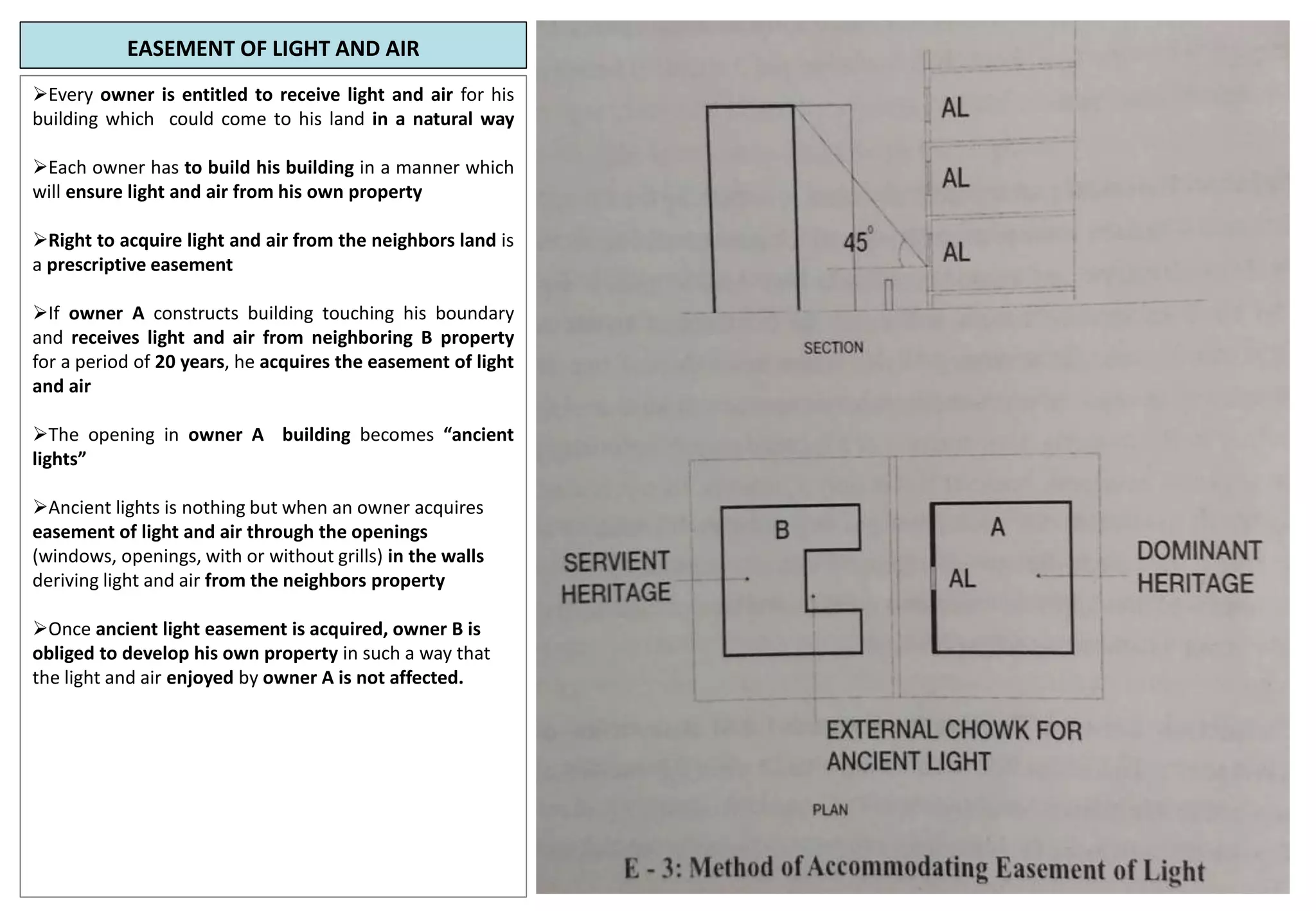
These assessments typically utilize diverse methodologies, including the angle rule and other light evaluation techniques. The results can indicate whether a project could encroach on a property’s right to natural light and if legal action may be required. Additionally, these surveys highlight the importance of assessing sunlight influx at different times of the year, ensuring a comprehensive analysis of any impacts on natural light. Property owners should consider these evaluations thoroughly, as they can significantly influence development planning.
For property developers, conducting a right to light survey before commencing construction is not just advisable; it is often essential. Such surveys can help spot any potential issues early in the planning process, allowing developers to modify their designs to lessen disputes. Engaging in this forward-thinking approach not only helps in protecting natural light for existing properties but also helps to cultivate good relationships within the community, making future collaborations more seamless and less contentious.
Addressing Light Access Disputes
When faced with a right to light issue, the primary step is to initiate clear dialogue with the involved neighbor. This can often provide a context where both parties can express their concerns and seek a joint solution. A friendly discussion may lead to unofficial changes, such as repositioning a proposed addition or implementing landscape changes that minimize the effect on natural light.
In case direct dialogue does not yield solutions, it may be beneficial to seek advice from a specialist surveyor. Such professionals can conduct a light access analysis, providing a comprehensive report of the circumstances and the likely influence of the construction on the involved properties. This expert insight is essential when discussing terms with the other party or when going through mediation, as it offers a detailed picture of entitlements and restrictions under the legal framework.
If scenarios where disputes worsen, legal action might become essential. However, before taking official litigation, exploring alternative dispute resolution methods like mediation is often recommended. These options can be affordable and less adversarial, enabling the involved parties to reach a settlement without the need for a drawn-out court battle. Recognizing and tackling the complexities of right to light can ultimately lead to successful solutions that acknowledge the interests of both parties rights and needs.