Starting with Cost Management and Tailoring: Excelling in Service Planning
Organizing a memorial service can be an challenging and emotional experience, particularly when it involves a cherished relative or friend. In moments of sorrow, the last thing families want to think about is the logistics and details associated with the farewell process. However, knowing how to efficiently plan a funeral can alleviate some of the stress and help create a significant tribute that honors a loved one's life.
This comprehensive guide aims to provide families with necessary insights into the steps of funeral planning, from financial planning and choosing burial or cremation to customizing the service to reflect the unique character of the deceased. Whether you are in the early stages of planning or looking to grasp the costs and factors involved, our extensive resource will help you navigate this challenging journey with empathy and understanding.
Understanding Funeral Costs
Funeral costs can differ greatly based on a number of factors, making it crucial for loved ones to understand what expenses to prepare for. The typical service can range from a several thousand bucks to well over ten thousand, according to the decisions made for arrangements, casket or urn selection, and extra elements such as visitation or burial. Knowing the typical cost spectrum can aid loved ones manage effectively and prevent unanticipated financial burdens during an already existing hard time.
When organizing a funeral, it is vital to think about both essential and optional costs. Essential costs generally include fundamental services of the director, transportation, preparation of remains, and necessary permits. Non-essential expenses may comprise flowers, printed materials, and catering for a reception. By distinguishing between these expenses, individuals can make educated decisions about what is essential and what can be omitted or left out to match their financial capacity.
It is also wise to ask about and evaluate prices from different establishments. Several establishments will provide detailed lists of options, enabling families to view prices transparently. Furthermore, understanding rights as consumers can enable families to find competitive pricing and steer clear of additional extras. Open conversations about finances and choices prior to an event can substantially lessen stress and create a more significant occasion in celebrating a family member’s life.
Personalization and Service Options
Personalizing a funeral is an important way to celebrate the life of a deceased. Families can choose elements that show the life of the deceased personality, passions, and values. This might involve selecting specific music that was significant to them, incorporating personal items into the ceremony, or allowing for unique tributes such as slide shows or narratives shared by friends and relatives. By adding personal touches, the service becomes a meaningful reflection of the deceased's journey.
There are various service choices offered that cater to diverse preferences and beliefs. Traditional funerals typically include a viewing, a formal ceremony, and burial or cremation, while a celebration of life may lean towards a more informal and joyful atmosphere, focusing on positive memories. Additionally, some groups opt for memorial ceremonies held at a subsequent date, allowing for more flexibility in planning. Knowing these choices helps loved ones choose the most appropriate way to celebrate their deceased.
Selecting the appropriate service format also relates to the family's cultural or religious customs. This can include certain rituals or ceremonies that hold significance, making sure the ceremony honors the beliefs upheld by the family and the individual. Whether hosting a spiritual ceremony in a place of worship or an outdoor event, these choices offer a way to bond on a more profound level while providing a setting for healing and remembrance.
Preparing and Coordinating for Memorial Logistics
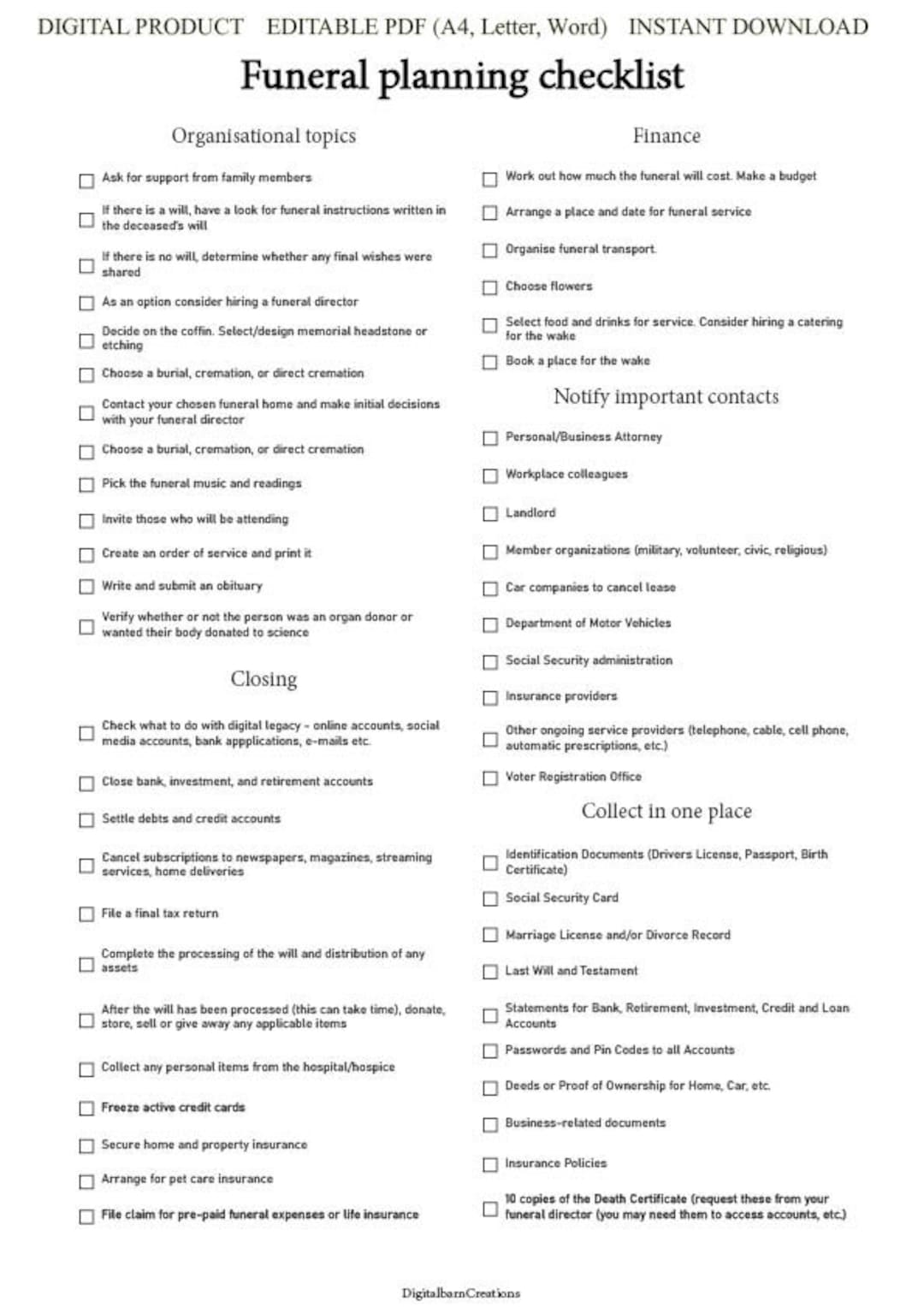
When planning a memorial service, logistics play a critical role in ensuring that all aspects are managed efficiently. Begin by gathering essential details, including the individual's wishes, any pre-arrangements they may have made, and details regarding their life that should be celebrated. Consider creating a timeline for responsibilities that need to be finished, such as reserving a memorial home, coordinating with cemeteries or cremation services, and making accommodations for service locations. A well-structured plan can help reduce the pressure of last-minute decisions during an in an emotional time.
Next, it's important to address the logistics of moving the deceased. This may involve understanding the state laws regarding moving, selecting a memorial transport, and determining if any specific accommodations are required for transporting the individual to a different place. Also, if the deceased has expressed specific wishes about interment or cremating, ensure these are communicated clearly with the director. Open communication will help you manage the often-complex decisions that come with the details of celebrating a loved one’s final wishes.
Finally, consider the logistics associated with family and loved ones joining the ceremony. Decide on https://bitsch-willoughby.hubstack.net/managing-the-last-journey-a-detailed-manual-to-end-of-life-arrangements and any required accommodations for guests, especially if travel is involved. Coordination might include managing seating arrangements and ensuring ease of access for those who need it. Also, think about post-service gatherings, such as a get-together or wake, to offer a setting for family and friends to gather. Addressing these logistical aspects considerately can create a meaningful and memorable experience that celebrates the legacy of your loved one while providing comfort to those who come to honor them.