The Craft and Discipline in Dental Tooth Implant Restoration
Teeth implants have transformed the realm of dentistry, presenting a dependable and successful solution for those struggling with lost teeth. As a blend of art and innovation, the procedure of dental implant restoration includes not only the technicalities of surgery and substances, but also the aesthetic considerations that impact a realistic facial appearance. If you're looking to replacing a tooth or thinking about a full mouth restoration, knowing the nuances of implants can empower you to form informed judgments about your oral health.
In this detailed guide, we will explore important facts about implants and restorations, the detailed procedure involved, and what you can anticipate during a dental implant consultation. We will also cover various topics such as the benefits of choosing implants over conventional dentures and bridgework, the importance of modern technology in improving results, and tips for caring for your implants after the restoration. With information into recovery processes, suitability for the procedure, and myths clarified, this article aims to provide you with a holistic understanding of how dental implants can revive not just your appearance, but also your assurance.
Understanding Tooth Implants
Dental prosthetics represent man-made roots for teeth designed to offer a permanent foundation for non-removable or temporary replacement teeth. They are often made of biocompatible titanium, a biocompatible material that fuses well with bone. This method, known as osseointegration, guarantees that the implant becomes a stable base for the restorative procedure, whether it becomes a tooth crown, bridge, or denture. The overall purpose of dental implants is to repair both function and appearance, allowing individuals to dine, communicate, and smile with confidence.
One of the primary pluses of dental implants is their ability to reproduce the aesthetic and feel of real teeth. Differing from conventional dentures or bridges, implants do not rely on neighboring teeth for stability, which maintains the health of surrounding dentition. Additionally, implants function to hinder bone loss that often happens after tooth extraction, keeping the structure of the jaw and overall facial structure. This provides a sustainable solution for those with missing teeth, making dental implants a favored choice for countless patients.
Comprehending the multiple categories of dental implants constitutes also crucial for those looking into this restoration option. There are single tooth implants for individual tooth loss, and complete arch implants for those needing multiple replacements or a complete set of teeth. The progress in technology have also led to the introduction of compact dental implants and quick load implants, which allow for faster restoration periods. By understanding the multiple options on offer, patients can take educated decisions that meet their individual needs and situations.
The Implant Procedure and Recovery
The dental implant process begins by a comprehensive assessment by your dental professional, that might consist of scanning tests and a consideration of your health background. Once you are deemed a suitable option, the first step involves placing the titanium fixture within the jawbone. This is typically done with local, to ensure the ease. After dental implant options and services is securely placed, a recovery duration of several months is necessary for the bone to fuse with the fixture, a procedure known as bone integration.
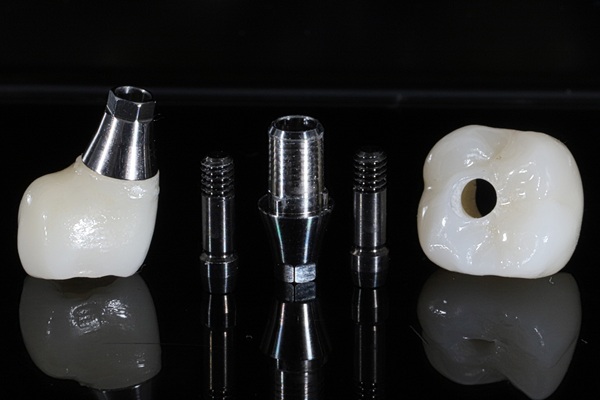
During the recovery period, the dentist will observe the recovery and might provide you with instructions on how to handle pain and taking care of the area of surgery. It is important to follow to these instructions to aid the healing process. Once adequate recovery has occurred, the next step involves the fitting of the connector, which links the fixture to the cap. Following this, molds are taken to create a custom crown that matches your natural tooth, ensuring both visual beauty and practical use.
After the final restoration is placed, healing continues as you adjust to the new implants. Most individuals experience minimal discomfort, but it is important to check in with your dentist for routine appointments. Ultimately, with adequate attention and maintenance, dental implants can provide a durable answer for lost tooth, improving the dental health and restoring self-esteem in the smile.
Advantages and Factors
Implants offer a range of advantages for those looking for restorative options for lost teeth. One of the most significant benefits is their ability to strongly simulate the appearance, sensation, and performance of natural teeth. This leads to enhanced confidence and self-esteem, as individuals can grin and eat without concern. Furthermore, these implants can enhance oral health by stopping bone loss in the jaw, which is often a consequence of missing teeth. This preservation of bone structure not only maintains facial aesthetics but also supports the integrity of surrounding teeth.
However, there are important considerations to consider when choosing dental implant restoration. The process may not be ideal for everyone, especially for individuals with certain health conditions or insufficient bone density. Candidates might require preliminary treatments like bone grafting to make sure the security of the implants. Additionally, the expense of implants can be more expensive than traditional options such as bridges or dentures, making it important to consult with a dental professional about personal circumstances and financial planning.
Ultimately, choosing dental implants involves balancing the long-term advantages against individual needs and preferences. Those who choose this rehabilitative solution should be prepared for the care and maintenance that come with implants. Consistent dental check-ups, proper oral hygiene, and adherence to post-operative instructions are vital for ensuring the longevity and success of the implant. By recognizing both the advantages and considerations, individuals can make informed decisions that suit their dental health goals.