This Comprehensive Handbook to Clearing Your Pipes Like an Expert
Obstructed drains can be a homeowner's biggest nightmare, causing frustrating interruptions and potentially costly repairs. Whether it's the kitchen sink slowly draining after washing dishes or the bathtub backing up during your daily routine, understanding the common causes of blockages is essential for prevention and upkeep. From fat buildup to hair clogs, many issues contribute to persistent drain issues, but with a little know-how, you can handle them like a pro.
In this definitive guide, we will explore various factors of unclogging drains, including how to recognize early indicators, the best home remedies, and when it may be appropriate to call in a professional plumber. You'll learn valuable hints for both DIY solutions and professional methods, along with the equipment that experts use to clear even the toughest clogs. By following this guide, you’ll be well-equipped to maintain your drains and prevent the troubles that come with frequent blockages.
Common Reasons and Prevention of Clogged Drains
Clogged draining systems are often the result of a combination of factors that accumulate over time. One of the most frequent causes is hair, especially in bathroom sinks and showers. Strands of hair can tangle around other debris, creating a clog that can be hard to clear. To avoid this problem, regularly use a drain cover to collect hair and take it out before it enters the plumbing system. Ensuring that you perform your drains a quick clean every couple of weeks can help hair accumulation at bay.
An additional frequent cause of drain blockages is fat accumulation, especially in kitchen sinks. When https://drainagecontractorscumbria.co.uk/ wash oily pots and pans, the grease can solidify within the drainage system, attracting food particles and causing major blockages. To prevent this, do not pouring grease down the drain. Instead, let it cool and put it into the garbage. Running warm water through the drain after washing dishes can aid maintain grease moving instead of sticking to your drainage system.
Lastly, non-biodegradable items and rubble are well-known for leading to blockages. Things like detergent, food scraps, and even items unintentionally dropped down the drain can cause serious clogs. To reduce this chance, set up screen filters to catch refuse and inform families about what should and shouldn’t go down the drain. Routine inspection and care of your drains can also help identify potential issues before they escalate into serious blockages.
Do-It-Yourself Techniques vs. Expert Solutions
When tackling clogged drains, many homeowners are frequently faced with the decision between DIY methods and employing professionals. Do-It-Yourself methods can be economical and give you a sense of accomplishment. Basic fixes like using a plunger, baking soda and vinegar, or a drain snake can often clear minor clogs. These methods are typically suitable for everyday clogs caused by human hair, soap scum, and small food particles. Implementing these techniques can help save time and money, making them an attractive first line of defense.
Nonetheless, not all drain problems can be fixed simply. When a blockage is caused by more serious problems such as roots from trees infiltrating pipes or accumulated grease deposits, DIY methods may prove ineffective. In these situations, professional services come armed with specific tools and expertise that can tackle stubborn clogs. Methods like hydro jetting and drain camera inspections allow professionals to identify and resolve problems within the depths of your plumbing system, ensuring a far permanent solution.
Ultimately, the choice between Do-It-Yourself techniques and professional services depends on the seriousness of the clog and your comfort level with plumbing tasks. For small clogs, Do-It-Yourself approaches can be extremely effective, while persistent or major blockages should necessitate a call to a professional plumber. Understanding when to seek help can save you time, effort, and potentially avoid further damage to your plumbing system.
Upkeep Tips for Extended Wastewater Functionality
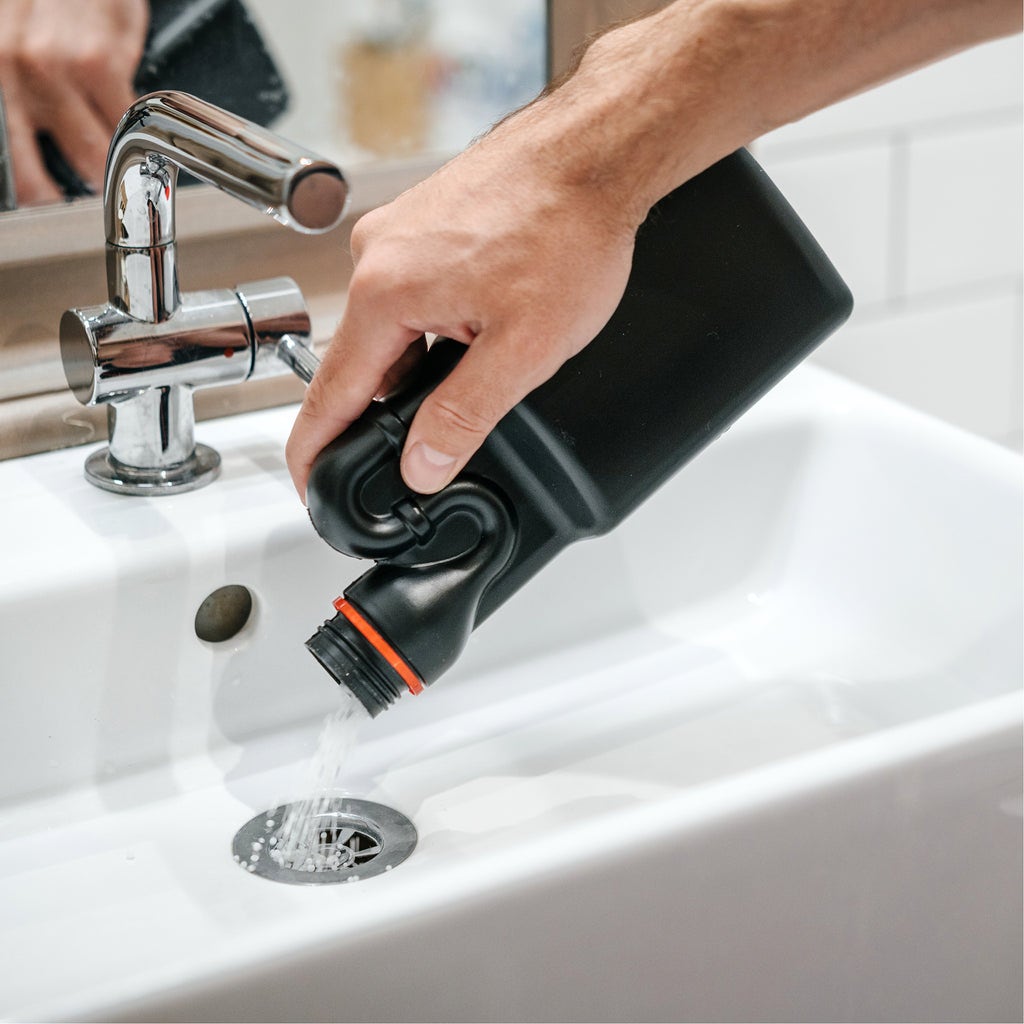
Regular maintenance is essential to ensuring that your pipes remain in excellent shape for the long haul. One helpful approach is to conduct a thorough check of your drains at no less than twice a year. Look for indications of deterioration, drips, or unusual stains. Additionally, it's helpful to rinse your drains with heated liquid monthly. This aids in dissolving grease and food waste particles that can gather and result in backups over the years.
Utilizing drain screens or netting is another straightforward yet beneficial way to preserve drain health. These tools capture strands of hair, leftovers, and other debris before they have a way to go into your plumbing and cause issues. Be sure that you maintain these devices frequently to ensure the water flowing smoothly. Moreover, educate your household about what should and shouldn’t go down the pipes. This can greatly lower the likelihood of clogs happening.
Lastly, think about arranging expert checks and services every few of years or so. A plumber can use tools such as video inspection tools to examine the health of your drains and identify any likely issues before they become costly problems. Coupled with your consistent upkeep practices, professional services can aid in extending the life of your pipes and maintain them working smoothly.